Emerging Trends in Interior Design for 2025
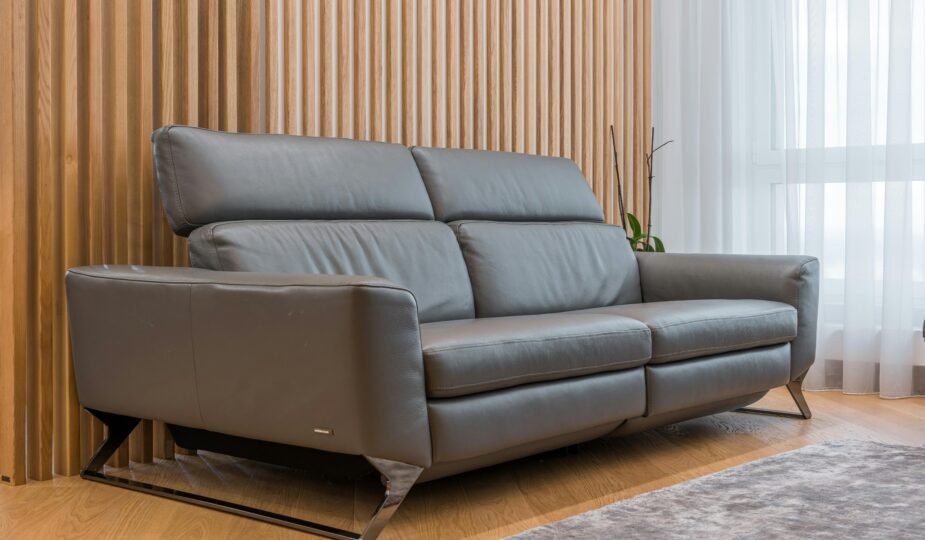
Trendy ribbed panels have become a defining feature of modern interior design, offering both aesthetic appeal and functional benefits. These panels create a sense of texture and depth while simultaneously enhancing acoustics in residential and commercial spaces. With sustainability being a key focus in contemporary design, many manufacturers now use responsibly sourced wood or recycled materials to craft these stunning wall coverings.
Emerging Trends in Interior Design for 2025
They seamlessly blend with minimalist, Scandinavian, or Japandi interiors, where the emphasis is on natural elements, simplicity, and warmth. Ribbed panels are frequently used to accentuate walls, ceilings, and even furniture pieces, adding a rhythmic visual interest that enhances the overall ambiance of a room. This trend aligns with the broader movement toward biophilic design, which seeks to integrate nature into living spaces to improve well-being and harmony.
Another major trend dominating interiors is the use of earthy and muted tones. Neutral color palettes have always been a staple in interior design, but in 2025, we see a shift toward richer, more organic hues inspired by nature. Shades like terracotta, sage green, ochre, and warm beige are replacing stark whites and cool grays. These colors evoke a sense of calm and serenity, making them ideal for creating inviting spaces that feel cozy yet sophisticated.
Designers are increasingly layering these tones with natural materials such as wood, clay, and linen, reinforcing the connection between interiors and the natural world. This trend extends beyond paint colors to textiles, furniture, and decorative accessories, ensuring a cohesive and harmonious aesthetic throughout the home.
Textured surfaces are also gaining traction as homeowners and designers move away from flat, sterile environments in favor of more tactile, engaging spaces. Plaster walls, limewash finishes, and rough stone surfaces are being reintroduced to interiors, bringing a handcrafted, artisanal quality to modern homes. These materials create depth and dimension, playing with light and shadow to create a dynamic visual experience.
Textured elements can be incorporated through architectural details, furniture choices, or decorative accents, allowing for a balance between sophistication and raw authenticity. This embrace of imperfection aligns with the Japanese philosophy of wabi-sabi, which celebrates the beauty of natural irregularities and organic forms.
Sustainability remains at the forefront of design trends, with a growing emphasis on eco-friendly materials and ethical sourcing. More homeowners are opting for furniture made from reclaimed wood, recycled plastic, and biodegradable fabrics. The demand for sustainable alternatives has led to innovations in manufacturing, with brands developing products that reduce waste and carbon footprints.
Additionally, vintage and second-hand furniture shopping has gained popularity, with many people choosing to upcycle or repurpose existing pieces rather than buying new ones. This trend not only supports sustainability efforts but also allows for unique, character-filled interiors that tell a story through their carefully curated furnishings.
Multifunctional spaces continue to define modern interior design, especially in urban environments where square footage is limited. Flexible furniture solutions such as foldable tables, modular sofas, and convertible beds are becoming essential components of small-space living. Designers are prioritizing versatility, ensuring that each piece serves multiple purposes without compromising on style.
Home offices have also evolved beyond temporary workstations into permanent, thoughtfully designed spaces that blend seamlessly with the rest of the home. The integration of hidden storage, adaptable lighting, and ergonomic furniture ensures that these spaces remain functional and comfortable, catering to the needs of remote workers and digital nomads.
Curved furniture and organic shapes are making a strong comeback, replacing the rigid, angular lines that have dominated interiors in previous years. Sofas, chairs, and tables with soft, rounded edges create a sense of fluidity and movement, fostering a more inviting atmosphere. This trend is deeply rooted in the concept of comfort and relaxation, offering furniture that not only looks aesthetically pleasing but also enhances well-being. The resurgence of curved designs is often paired with plush, tactile fabrics such as bouclé, velvet, and chenille, further emphasizing comfort and coziness in contemporary spaces.
Statement lighting is another key element shaping interior design in 2025. Gone are the days of generic overhead lighting; instead, bold, sculptural fixtures are taking center stage. Oversized pendant lights, asymmetrical chandeliers, and artistic floor lamps are being used as focal points in living rooms, dining areas, and even bedrooms. These pieces serve as both functional lighting solutions and striking art installations, adding personality and drama to interiors.
Additionally, warm, ambient lighting is favored over harsh, cool tones, creating a more inviting and relaxed atmosphere. Smart lighting technology is also on the rise, allowing homeowners to control brightness and color temperature to suit different moods and occasions.

The influence of artisanal craftsmanship is evident in the rise of handmade decor and furniture. Mass-produced, cookie-cutter designs are being replaced with one-of-a-kind pieces that showcase the skill and creativity of artisans.
Handwoven rugs, ceramic vases, and custom woodwork are all gaining popularity as people seek to bring authenticity and individuality into their homes. This movement toward craftsmanship extends to materials like rattan, bamboo, and terracotta, which add a sense of warmth and tradition to contemporary spaces. The appreciation for handmade goods ties into the broader slow-living philosophy, encouraging consumers to invest in quality over quantity.
Technology integration in home design is becoming more seamless, blending innovation with aesthetics. Smart home systems that control lighting, temperature, and security are now being designed to complement modern interiors rather than disrupt them. Voice-activated assistants, hidden charging stations, and wireless technology are making homes more efficient and convenient while maintaining a sleek and uncluttered look. Additionally, the rise of smart glass and adaptive surfaces allows homeowners to modify their living spaces with a simple touch, from adjusting privacy levels to changing the opacity of windows.
Finally, outdoor living spaces are receiving increased attention as people seek to extend their homes beyond their interior walls. Patios, balconies, and garden areas are being designed with the same level of detail and intention as indoor spaces, incorporating comfortable seating, weather-resistant textiles, and ambient lighting. Biophilic design principles are applied to outdoor areas through the use of lush greenery, natural stone, and sustainable decking materials. The line between indoor and outdoor living continues to blur, with large glass doors and retractable walls allowing for a seamless connection between the two environments.
In summary, interior design in 2025 is characterized by a deep appreciation for natural materials, sustainability, and multifunctionality. Wooden ribbed panels, earthy tones, and textured surfaces create warmth and visual interest, while curved furniture and statement lighting add a touch of elegance. The fusion of technology and craftsmanship ensures that homes are both functional and beautiful, catering to modern lifestyles without sacrificing comfort. As people continue to prioritize well-being and connection to nature, these trends will shape the way we design and experience our living spaces for years to come.