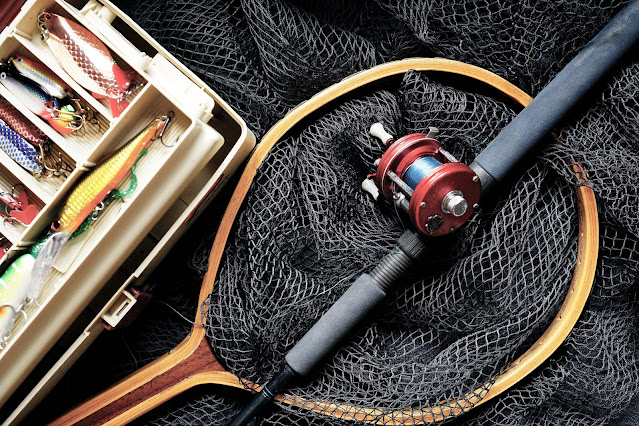
Reeling in the Perfect Catch: Essential Gear for a Successful Fishing Trip – Whether you’re a beginner or a seasoned angler, investing in quality fishing gear is essential for a better fishing experience. In this article, I’ll be sharing some insights on the essential gear you need for a successful fishing trip.

Reeling in the Perfect Catch: Essential Gear for a Successful Fishing Trip*
Introduction to Fishing Gear
Fishing gear is the equipment used by anglers to catch fish. The most basic fishing gear includes a fishing rod, reel, line, hooks, and bait. However, there are many other types of equipment and accessories that can enhance your fishing experience. Some of these include fishing apparel, lures, pliers, waders, and tackle boxes.
When choosing fishing gear, there are a few factors to consider. These include the type of fish you’re targeting, the location of your fishing spot, and your personal preferences. For example, if you’re fishing in saltwater, you may need gear that is more durable and corrosion-resistant.
Fishing Rods and Reels
Fishing rods and reels are the backbone of your fishing gear. There are many different types of rods and reels available, each designed for specific types of fishing. For example, a spinning reel is great for beginners, while a baitcasting reel is better suited for more experienced anglers.
When choosing a fishing rod, consider the length, power, and action. The length of the rod will determine how far you can cast, while the power will dictate how much weight the rod can handle. The action refers to the flexibility of the rod and how quickly it will bend.
When it comes to fishing reels, there are two main types: spinning reels and baitcasting reels. Spinning reels are generally easier to use and more versatile, while baitcasting reels offer greater accuracy and control.
Fishing Lines and Hooks
Fishing lines and hooks are two of the most important components of your fishing gear. The type of line and hook you choose will depend on the type of fish you’re targeting and the location of your fishing spot.
Monofilament line is the most common type of fishing line and is suitable for beginners. However, if you’re fishing for larger fish, you may need a stronger braided line. The size of the hook will also depend on the size of the fish you’re targeting. For example, if you’re fishing for trout, you may need a smaller hook, while a larger hook may be required for bass or pike.
Bait and Lures
Bait and lures are used to attract fish to your hook. There are many different types of bait and lures available, each designed to mimic the natural prey of the fish you’re targeting. Live bait, such as worms and minnows, is a popular choice for many anglers. Artificial lures, such as spinners and jigs, can also be effective. Things like Monster red boilies are also a great choice!
When choosing bait and lures, consider the type of fish you’re targeting and the location of your fishing spot. For example, if you’re fishing for trout in a stream, a small spinner may be more effective than live bait.
Fishing Apparel and Accessories
Fishing apparel and accessories can make your fishing trip more comfortable and enjoyable. Some essential items include a hat, sunglasses, sunscreen, and insect repellent. Waders are also useful for fishing in streams or rivers.
Other accessories that can enhance your fishing experience include pliers, scissors, and a net. A tackle box or fishing bag can also help you keep your gear organized and easily accessible.
Safety Gear for Fishing
Safety should always be a top priority when fishing. Some essential safety gear includes a life jacket, first aid kit, and a whistle. If you’re fishing on a boat, make sure you have all the necessary safety equipment, such as flares and a fire extinguisher.
It’s also important to be aware of the weather conditions and any potential hazards in your fishing spot. Always check the weather forecast before heading out and be prepared for any changes in conditions.
Choosing the Right Gear for Your Fishing Trip
When choosing fishing gear, it’s important to consider the type of fish you’re targeting and the location of your fishing spot. If you’re planning to fish in saltwater, you may need gear that is more durable and corrosion-resistant. If you’re fishing for larger fish, you may need a stronger line and a larger hook.
It’s also important to consider your personal preferences and level of experience. If you’re a beginner, you may want to start with a basic spinning reel and monofilament line. As you gain more experience, you can upgrade to more advanced gear.
Tips for Packing and Organizing Your Fishing Gear
Packing and organizing your fishing gear can be a daunting task, but with a little planning, it can be made much easier. Start by making a list of all the gear you’ll need for your fishing trip. This will help you avoid forgetting any essential items.
Invest in a good quality tackle box or fishing bag to keep your gear organized and easily accessible. Label your gear and keep similar items together to make it easier to find what you need.
Best Places to Buy Fishing Gear
There are many places to buy fishing gear, both online and in-store. Some popular options include sporting goods stores, outdoor retailers, and online marketplaces such as Amazon and eBay. It’s important to compare prices and read reviews before making a purchase to ensure you’re getting the best value for your money.
Conclusion: The Importance of Having the Right Gear for a Successful Fishing Trip
In conclusion, having the right gear is essential for a successful fishing trip. Whether you’re a beginner or a seasoned angler, investing in quality gear can make all the difference. Consider the type of fish you’re targeting, the location of your fishing spot, and your personal preferences when choosing your gear. And don’t forget to pack and organize your gear to make your fishing trip more enjoyable.
So, go out there and get your fishing gear ready for an incredible angling experience. Happy fishing!