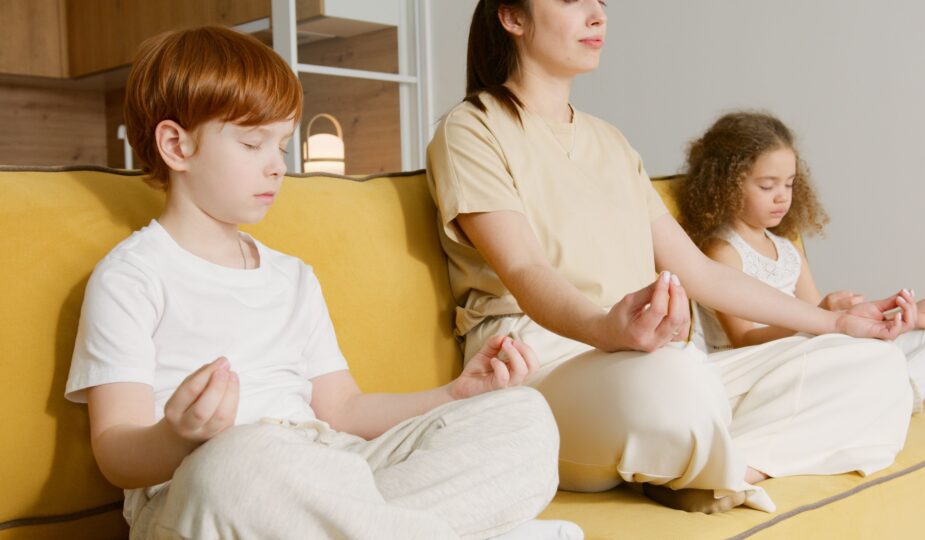
The first week back after the summer holidays has a particular energy. New shoes, new timetables, new faces at the school gate. For many children, it is exciting. For plenty of others, it is a lot to hold. This is exactly the moment when parents start reaching for the word mindfulness, hoping it might smooth the transition. The trouble is that mindfulness is often treated as a separate activity, something you stop and do, rather than a way of moving through an ordinary day.
The start of term is a good time to rethink that.
Why the timing matters
Autumn brings a natural reset. Routines tighten, days shorten, and the loose rhythm of summer gives way to something more structured. Children feel that shift, and their nervous systems respond to it. A ten-minute breathing exercise at bedtime is pleasant, but it will not do much to settle a child who spends the other fifteen waking hours rushing from one thing to the next.
What helps more is threading small, calming habits through the parts of the day that already exist. No new slot in the diary. No special equipment. Just a few points where a child can pause and notice where they are.
Small anchors through the day
Think of these as gentle checkpoints rather than exercises.
The walk in. The journey to school, whether on foot or in the car, is a ready-made transition. A simple question works well: what are three things you can hear right now? It pulls a wandering mind back into the present without any sense of effort.
The doorstep breath. Before walking through the school door, one slow breath in and one slow breath out. Children pick this up quickly because it is short and it has a clear cue.
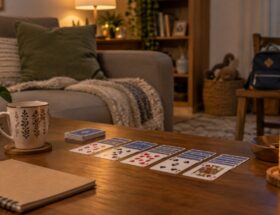
The kitchen-table debrief. After school, resist the urge to fire off questions. Sit alongside them with a snack and let the day unspool at its own pace. Presence, it turns out, is more soothing than interrogation.
The wind-down. In the last half hour before sleep, dim the lights and slow the pace. The body reads these signals and begins to settle.
None of this is complicated. That is rather the point. Habits that survive a busy term are the modest ones.
Schools are part of the picture
Home routines matter, but children spend a large share of their week in the classroom, so the tone a school sets counts for a great deal. The most effective settings do not bolt mindfulness on as a Friday-afternoon treat. They build it into the fabric of the day: a calm start to lessons, time to reflect, teachers who model steadiness rather than rush.
Parents looking for this kind of environment will find that schools placing wellbeing alongside academic ambition tend to weave calm into everyday routines, giving children a sense of security that carries beyond the school gates. It is worth asking prospective schools how they handle the ordinary moments, not just the headline initiatives.
At St Johns Preparatory and Senior School, the belief is that a settled child is a child ready to learn, and that steadiness is something you practise rather than announce. You can read more about their approach at https://stjohnsprepandseniorschool.co.uk.
Keeping it going past October
The real test comes a few weeks in, once the novelty of a new term has worn off and the evenings are darker. This is when good intentions tend to slip. The trick is to keep expectations low and consistency high. One breath at the door, done most days, will do more than an elaborate routine abandoned by half-term.
Mindfulness was never meant to be one more task on an already full list. Woven quietly into the walk to school, the snack after it, and the quiet before sleep, it becomes something children carry with them without even realising. And that, in the long run, is what lasts.
—
*This article was contributed by the team at St Johns Preparatory and Senior School, an independent day school offering education for children from the early years through to sixth form. With a focus on academic achievement, pastoral care and personal development, St Johns supports families across Enfield and the surrounding areas of North London and Hertfordshire.*