Spending time outdoors with your child isn’t just fun – it’s also a powerful way to encourage learning and development. Nature provides the perfect setting for children to explore, ask questions, and make sense of the world around them. Here are some engaging outdoor learning activities that combine education and adventure, inspired by the practices of this private school in Derby.
Nature Scavenger Hunts
Scavenger hunts are a simple yet effective way to sharpen observation skills. Create a list of items for your child to find – such as a feather, smooth stone, yellow flower, or something that makes a sound. You can adapt the hunt to suit the season or location, whether you’re in a park, woodland, or even your back garden.
To extend the learning, ask your child to describe what they find, sort the items into categories (e.g., natural vs manmade), or take photos to create a nature collage later.
Bug and Mini-Beast Safaris
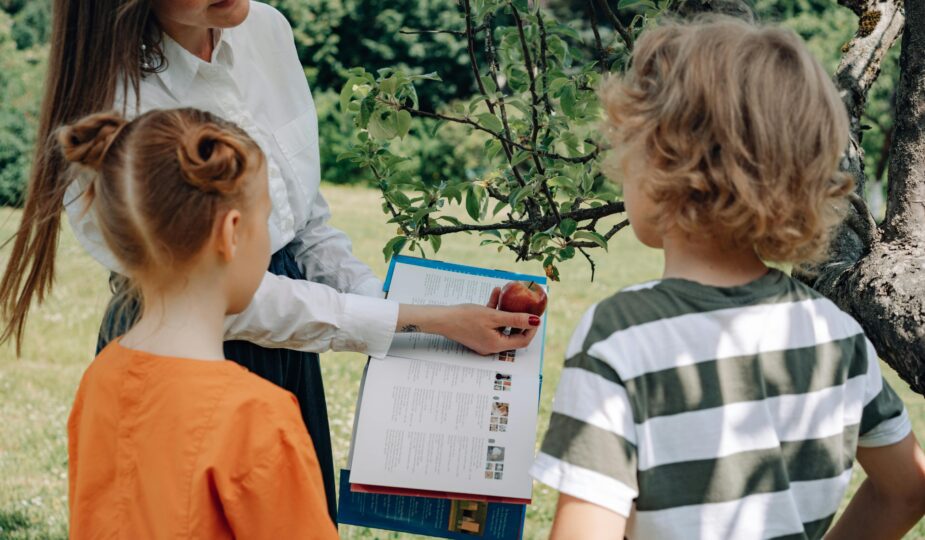
Children are naturally curious about insects and small creatures. Give them a magnifying glass or bug pot and explore under rocks, logs, or in long grass to discover ladybirds, ants, worms, and beetles. Use a simple identification chart to name the creatures and talk about their habitats, diets, and role in the ecosystem.
This is a brilliant way to introduce basic biology and environmental science in a hands-on, memorable way.
Storytelling in the Wild
Encourage creativity by turning outdoor settings into storytelling adventures. Sit beneath a tree or around a campfire (real or imaginary!) and take turns adding parts to a story. Use natural objects like sticks, leaves, or stones as characters or props.
You can also bring books outside and read them in nature, helping children make connections between stories and the real world.
Outdoor Maths Challenges
The great outdoors is full of opportunities to practise maths in a practical context. Try activities such as:
- Counting leaves or petals
- Estimating and measuring the height of trees using shadows
- Creating symmetrical patterns with sticks and stones
- Drawing shapes with chalk on the pavement
These activities help develop spatial awareness, estimation, and problem-solving skills in a fun and meaningful way.
Garden Science Experiments
Your garden can become a mini science lab. Easy experiments include:
- Making a rain gauge to measure rainfall
- Creating a compost bin and observing decomposition
- Growing seeds and tracking their development over time
- Testing different surfaces to see how water flows or absorbs
These activities build observation, recording, and analytical thinking skills while encouraging responsibility for living things.
Building and Creating with Natural Materials
Let children design and build using sticks, leaves, stones, or mud. They can construct fairy houses, dens, bridges, or obstacle courses. This type of play supports engineering thinking, fine motor skills, and collaborative working if done with friends or siblings.
It’s also a wonderful way for children to connect with the environment and express themselves creatively.
Outdoor learning doesn’t require fancy equipment or faraway locations. With a little creativity and curiosity, your local park, garden, or even pavement can become a place of exploration and education. These activities help nurture critical thinking, resilience, and a lifelong love of nature – all while spending quality time together.