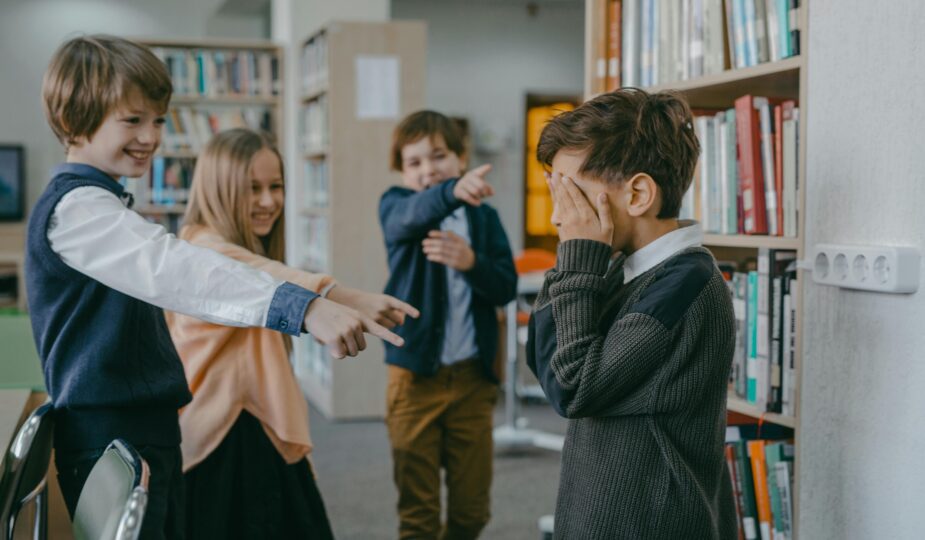
Conflict is a natural part of life, and learning how to manage it is an essential life skill. Whether it’s a disagreement with a sibling, a spat with a classmate, or a difference of opinion on the playground, helping children navigate conflict positively can set them up for healthy relationships in the future.
Why Conflict Resolution Matters
This private school in Harrow suggests that children who learn to handle conflict effectively are more likely to build strong friendships, show empathy, and grow into emotionally intelligent adults. Without guidance, they might react with anger, avoidance, or blame – behaviours that can create long-term issues. Teaching constructive conflict resolution from an early age fosters confidence, problem-solving skills, and emotional resilience.
Start With Emotional Literacy
Before a child can resolve conflict, they need to understand their own emotions and those of others. Teach your child to name and recognise feelings – not just when they’re sad or angry, but when they feel frustrated, excluded, embarrassed, or misunderstood. Books, games, and open conversations are great tools for developing emotional vocabulary.
Encourage your child to express how they feel without shouting or blaming. For example, instead of “You’re mean!”, guide them to say, “I felt upset when you didn’t share.” This shift helps diffuse tension and opens the door to a more productive conversation.
Model Positive Behaviour
Children learn a lot by watching the adults around them. Try to model calm, respectful behaviour when dealing with your own conflicts. Whether it’s a disagreement with a partner, a colleague, or even a customer service issue on the phone, demonstrate how to listen actively, speak kindly, and find solutions.
When conflict arises at home, involve your child in seeing how it’s resolved. For instance, if there’s a dispute over screen time, show how compromise and listening to each other’s needs can lead to a fair outcome.
Role-Play Common Scenarios
Role-playing can be a fun and effective way to practise handling conflict. Set up pretend scenarios such as disagreements over toys, someone cutting in line, or being left out of a game. Ask your child how they might respond, then offer guidance and praise when they demonstrate kind and constructive approaches.
Encourage them to consider the other person’s perspective: “How do you think they felt when that happened?” This fosters empathy and helps them see the bigger picture.
Encourage Problem-Solving
Instead of jumping in to “fix” the situation, support your child in finding their own solutions. Ask open-ended questions like, “What do you think we can do to make this better?” or “How can we make sure both people feel happy with the outcome?”
This approach not only gives your child ownership of the resolution but also helps develop their critical thinking and communication skills.
Celebrate Effort, Not Just Outcomes
When your child makes an effort to handle conflict maturely, even if the outcome isn’t perfect, acknowledge it. “I noticed how you stayed calm and used your words – that was brilliant.” Positive reinforcement encourages them to keep trying, even when it’s tough.
By teaching your child how to navigate conflict calmly and constructively, you’re giving them tools that will benefit them for life – in friendships, at school, and beyond