Modern Commercial Air Conditioning – In the dynamic landscape of modern business, employee well-being and productivity are paramount. A significant yet often overlooked contributor to this is the environment in which people work, particularly the climate. This article delves into the pivotal role that modern commercial air conditioning plays in enhancing employee productivity and well-being.
How Modern Commercial Air Conditioning Boosts Employee Productivity and Well-being
The Science of Comfort and Productivity
Studies have consistently shown that the physical environment, especially temperature, has a direct impact on how well employees perform. A too hot or too cold environment can lead to discomfort, distraction, and a decrease in efficiency. Modern air conditioning systems, designed specifically for commercial spaces, are engineered to maintain optimal temperatures, ensuring a workspace that is neither too hot nor too cold.
The application of an air conditioning calculator is crucial in this process. This tool helps in determining the correct size and capacity of the air conditioning system needed for a particular commercial space. An oversized system can lead to excessive humidity and energy wastage, while an undersized one struggles to maintain comfortable temperatures, especially in extreme weather.
The Role of Commercial Air Conditioning Installation
The installation of a commercial air conditioning system is not just about controlling temperature. It’s about creating an environment that fosters comfort and, by extension, productivity. Proper installation takes into account factors like air flow, humidity levels, and even noise levels. It’s essential that the installation is carried out by professionals who understand the intricacies of commercial spaces and how people interact within them.
Furthermore, modern air conditioning systems come with advanced filtration technologies. These systems filter out pollutants and allergens, which not only improves the air quality but also significantly benefits employees, particularly those suffering from respiratory conditions or allergies. Better air quality translates to fewer health issues and absences, thereby boosting productivity.
Energy Efficiency and Cost-effectiveness
Modern air conditioning systems are not only more effective but also more energy-efficient. The initial cost of commercial air conditioning installation is often offset by the long-term savings in energy bills. Energy-efficient systems contribute to a reduction in the carbon footprint of a business, which is increasingly important in today’s eco-conscious world.
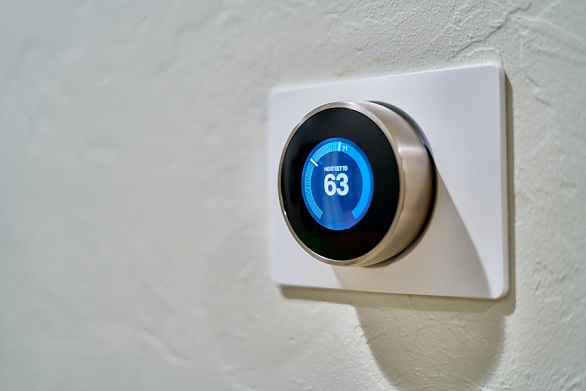
Moreover, many modern systems come equipped with smart technology. They can be programmed and monitored remotely, allowing for more precise control over the environment. This not only enhances comfort but also helps in maintaining energy efficiency.

Employee Well-being: Beyond Temperature Control
Employee well-being goes beyond just physical comfort. A comfortable working environment also contributes to mental well-being. Employees who work in a comfortable temperature are less likely to feel stressed or agitated. This leads to a more harmonious workplace with better collaboration and communication among staff.
In addition, the assurance that their health and comfort are being prioritised can lead to increased job satisfaction and loyalty among employees. This, in turn, reduces staff turnover and the costs associated with hiring and training new employees.
Future Trends in Commercial Air Conditioning
The future of commercial air conditioning looks promising with advancements in technology. We are moving towards systems that are not only more energy-efficient but also smarter. These systems will be able to adapt to the number of people in a room, the outside weather conditions, and even individual preferences.
The integration of air conditioning systems with other building management systems is also on the rise. This holistic approach ensures that all aspects of a building’s environment are working in harmony, further enhancing the comfort and productivity of those within.
Conclusion
In summary, modern commercial air conditioning is more than just a utility; it’s a vital component in shaping a work environment conducive to both employee well-being and productivity. By leveraging advanced tools like air conditioning calculators and ensuring professional installation, businesses can create spaces that are comfortable, healthy, and optimally productive. As technology progresses, these systems are becoming increasingly tailored and efficient, promising a future where employee comfort is a key aspect of workplace design.
The integration of energy-efficient systems aligns with global environmental goals, reducing operational costs and the ecological footprint of businesses. This shift towards sustainability resonates with the eco-conscious values of employees and consumers alike. Furthermore, the advent of smart technology in air conditioning systems heralds a new era of automated and customised climate control, enhancing employee comfort and streamlining facility management.

A well-regulated environment is fundamental to fostering a positive workplace culture. When physical comfort is prioritised, it leads to heightened morale, job satisfaction, and a stronger sense of company loyalty. The future of commercial air conditioning, with its potential to integrate with broader building management systems, points towards environments that are not just climate-controlled but are intelligent and responsive to the inhabitants’ needs.
Ultimately, the role of advanced air conditioning systems in modern workplaces is crucial. As businesses evolve and place greater emphasis on the health and productivity of their employees, the importance of sophisticated climate control in workplace design becomes increasingly significant.