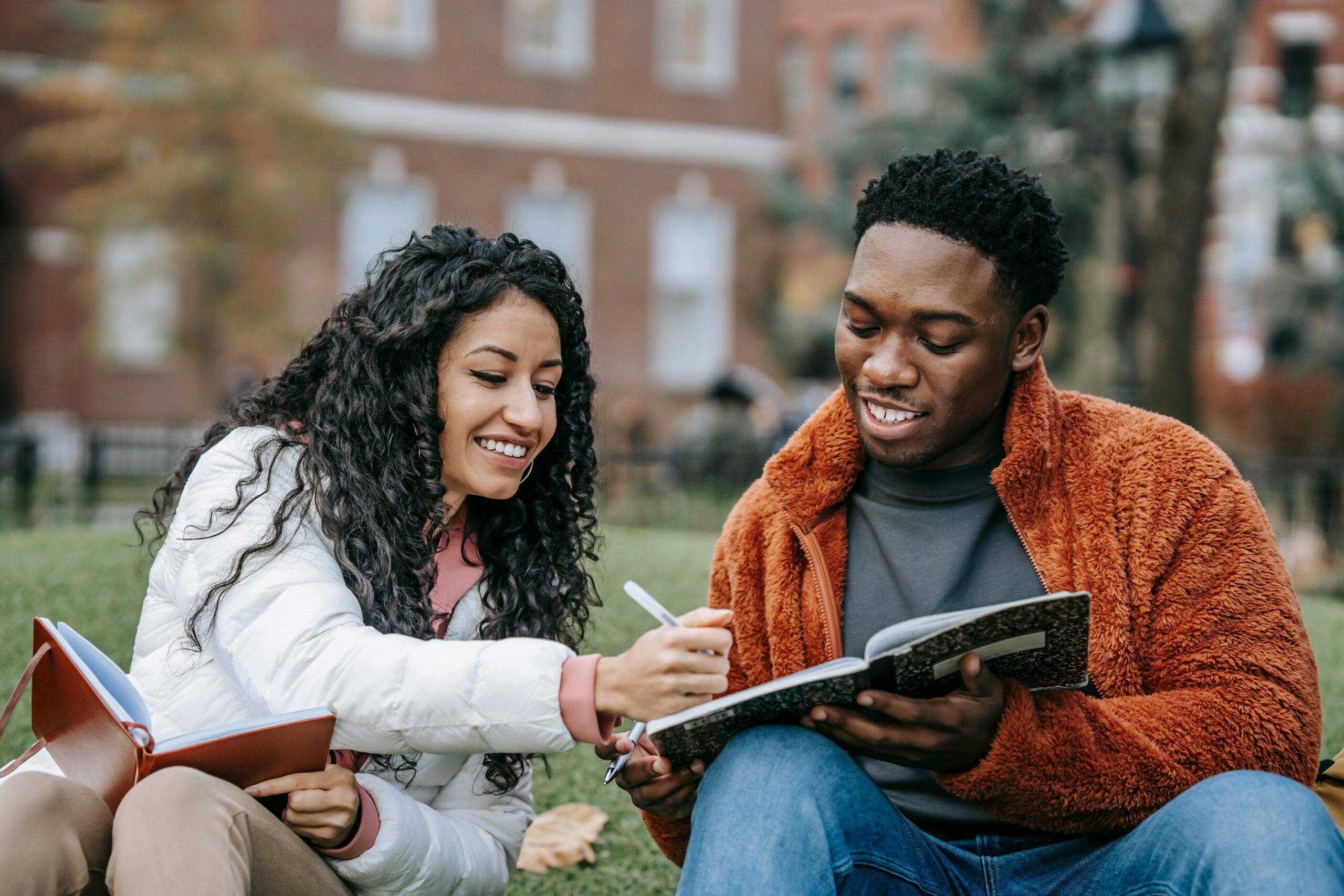
Education has the power to shape the future of individuals and societies. A key element of a thriving educational system is its ability to embrace diversity and inclusion. This focus ensures that all students, regardless of their backgrounds or abilities, receive equitable opportunities for success. Let’s explore how diversity and inclusion play a crucial role in education and the benefits they bring to both students and educators.
The Importance of Diversity in Education
Diversity in education encompasses a range of differences among students, including race, ethnicity, gender, socioeconomic status, language, religion, and ability. By acknowledging and celebrating these differences, schools can foster environments that are more reflective of the global society students will engage with beyond the classroom.
Incorporating diversity in education benefits all students, not just those from underrepresented groups. When students are exposed to a variety of perspectives, they develop critical thinking skills and learn to approach problems from multiple angles. This prepares them to work in increasingly diverse workplaces and communities, where collaboration with people from different cultures and backgrounds is essential. Moreover, diverse learning environments challenge stereotypes, reduce prejudice, and promote a greater understanding of the world.
What is Inclusion in Education?
Inclusion goes beyond simply acknowledging diversity; it involves creating a learning environment where every student feels valued, supported, and empowered to reach their full potential. This means adapting teaching methods, classroom materials, and school policies to accommodate the varying needs of students.
Inclusion focuses on ensuring that students with disabilities, language barriers, and other differences are not excluded from educational opportunities. Institutions like this prep school in Richmond that prioritise inclusion recognise that a one-size-fits-all approach to education does not work and that success is not limited to academic achievement alone. It includes social development, emotional well-being, and the ability to thrive in a supportive community.
An inclusive educational model encourages collaboration among teachers, students, and families. This collaboration allows educators to understand the unique needs of each student and implement strategies that enable them to participate fully in the classroom. It also provides opportunities for all students to learn from one another, fostering empathy and social connections.
The Benefits of Diversity and Inclusion in the Classroom
When diversity and inclusion are integrated into the classroom, the benefits are vast. Here are some key advantages:
1. Enhanced Learning Experiences: A diverse and inclusive environment encourages creative thinking and a deeper understanding of complex subjects. Students learn to see issues from different perspectives, which enriches classroom discussions and broadens their intellectual horizons.
2. Social Development: Inclusion promotes the development of strong social skills. Students learn to communicate and collaborate with people who have different experiences, which builds empathy, reduces biases, and fosters strong interpersonal relationships.
3. Better Outcomes for All Students: Research shows that when schools are diverse and inclusive, academic outcomes improve for all students. This is partly because inclusive teaching practices are more flexible and responsive to the needs of individual learners, making education more effective overall.
4. Preparation for a Global Society: In our increasingly interconnected world, students must be prepared to work and live alongside people from different cultures and backgrounds. By experiencing diversity and inclusion in their education, they are better equipped for the challenges and opportunities that await them in the global workforce.
The Challenges of Achieving Diversity and Inclusion
Despite the clear benefits, creating a truly diverse and inclusive educational environment is not without challenges. Systemic inequalities, such as underfunded schools in low-income areas, can make it difficult for all students to have equal access to resources. Additionally, educators may face biases—both conscious and unconscious—that affect their ability to foster an inclusive environment.
However, these challenges are not insurmountable. Schools can begin by examining their policies, curricula, and teaching practices to identify areas for improvement. Professional development for educators that focuses on cultural competency, bias awareness, and inclusive teaching strategies can also make a significant difference.
Diversity and inclusion are more than just buzzwords in education—they are critical components of a system that prepares students for the complexities of the modern world. By creating environments that honour and celebrate differences, schools can help all students succeed academically, socially, and emotionally. In doing so, they not only contribute to individual success but also to a more equitable and compassionate society.