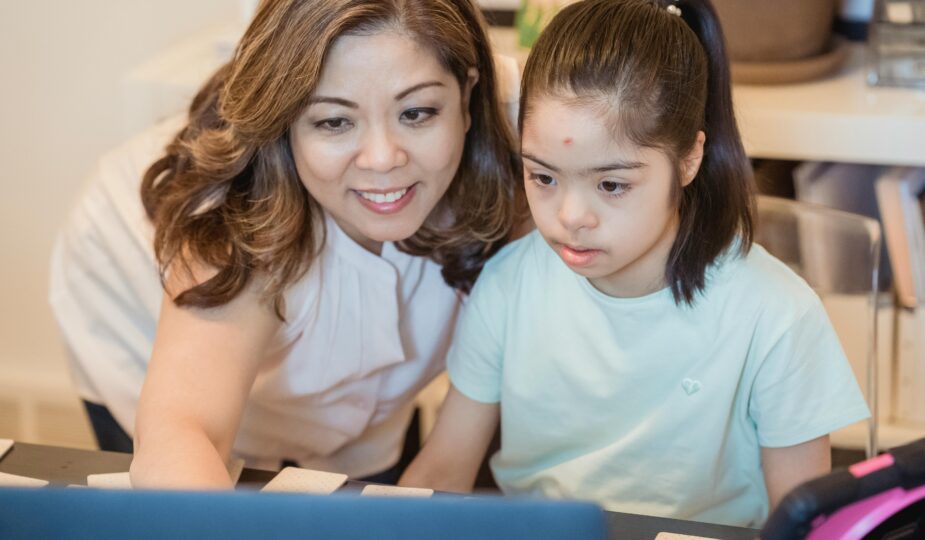
Every parent wants their child to succeed in school and beyond, but learning doesn’t stop at the classroom door. Home is a powerful place where skills, habits, and curiosity can flourish. By creating the right environment and using simple, everyday strategies, you can support your child’s learning in meaningful ways. Here are some tips from a middle school in Switzerland.
1. Create a Positive Learning Environment
Set up a quiet, well-lit space where your child can focus on schoolwork without distractions. This doesn’t need to be fancy, just a dedicated spot with basic supplies like pencils, paper, and books. A consistent study area helps children feel more organised and ready to learn.
2. Build Strong Routines
Children thrive on structure. Establish regular times for homework, reading, and play. When learning becomes part of the daily routine, it feels less like a chore and more like a natural part of life.
3. Encourage a Love of Reading
Reading is the foundation of learning. Spend time reading together, ask your child about the stories they enjoy, and make books accessible at home. Even 15 minutes of shared reading a day can make a big difference in vocabulary, imagination, and comprehension skills.
4. Show Interest in Their Schoolwork
Ask open-ended questions like, “What was the most interesting thing you learned today?” or “What was challenging for you?” This shows your child that their learning matters to you and encourages them to reflect on their progress.
5. Use Everyday Moments as Learning Opportunities
Cooking can teach math and science. Grocery shopping can build budgeting and problem-solving skills. Even a walk in the park can turn into a mini science lesson about plants and animals. Learning is everywhere, it’s about making the most of everyday experiences.
6. Praise Effort, Not Just Results
Celebrate persistence, improvement, and problem-solving rather than only high grades. This helps your child develop a growth mindset, where effort and perseverance are valued as much as achievement.
7. Stay Connected With Teachers
Communication with your child’s teacher gives you insights into their strengths, challenges, and goals. Collaborating with educators ensures that you’re reinforcing at home what they’re learning at school.
Supporting your child’s learning at home doesn’t mean becoming a teacher, it means being a guide, cheerleader, and partner in their education. By creating routines, nurturing curiosity, and celebrating effort, you can help your child grow into a confident, motivated learner. Small, consistent steps at home can make a big difference in your child’s success and love of learning.