Tips for Preventing Skin Cancer – Skin cancer stands as a prevalent and potentially life-threatening condition that affects millions of individuals worldwide, making it imperative to understand and implement effective preventive measures. While genetics can predispose some individuals to skin cancer, lifestyle choices and proactive measures play a significant role in reducing the risk of developing this disease. Embracing a proactive approach to skin health involves incorporating preventive strategies into your daily routine, thereby safeguarding your skin’s well-being.
Tips for Preventing Skin Cancer
From diligent sun protection practices to regular skin examinations, there are numerous steps you can take to minimize your risk of skin cancer and skin lesions. Additionally, staying informed about skin cancer treatment options and seeking prompt medical attention in case of any suspicious changes or symptoms is vital for early intervention and management. By delving deeper into these valuable tips for prevention, individuals can empower themselves with the knowledge and tools necessary to protect their skin and promote long-term health and vitality. Through education, awareness, and proactive measures, we can collectively work towards reducing the burden of skin cancer and ensuring healthier skin for generations to come.
Understanding Skin Cancer
Types of Skin Cancer
Skin cancer encompasses various types, each with distinct characteristics and treatment approaches. The most common forms include basal cell carcinoma, squamous cell carcinoma, and melanoma. Understanding these types is crucial for early detection and appropriate management.
Risk Factors
Identifying risk factors associated with skin cancer is crucial for accurately assessing individual susceptibility to the disease. A variety of factors contribute to this risk, including but not limited to prolonged sun exposure, a history of severe sunburns, having a fair complexion, a family history of skin cancer, and conditions that weaken the immune system, such as immunosuppression. Furthermore, environmental factors, occupational exposures, and certain lifestyle choices, such as indoor tanning, can also play a role in elevating the risk of skin cancer development. By recognizing and understanding these risk factors, individuals can take proactive steps to mitigate their impact and adopt preventive measures tailored to their unique circumstances.
This proactive approach empowers individuals to prioritize their skin health and make informed decisions to reduce their risk of developing skin cancer in the future. Regular skin examinations and consultations with healthcare professionals further enhance early detection efforts, enabling timely intervention and treatment when necessary. Through awareness, education, and proactive management of risk factors, individuals can effectively safeguard their skin health and minimize the potential impact of skin cancer on their lives.
Importance of Sun Protection
Sunscreen Usage
Regular application of sunscreen with a high sun protection factor (SPF) is paramount in shielding the skin from harmful ultraviolet (UV) radiation. Choose a broad-spectrum sunscreen that protects against both UVA and UVB rays, and apply it generously to all exposed skin areas. Reapply sunscreen every two hours, especially after swimming or sweating.
Protective Clothing
In addition to sunscreen, wearing protective clothing can provide an extra layer of defense against UV radiation. Opt for lightweight, long-sleeved shirts, wide-brimmed hats, sunglasses with UV protection, and tightly woven fabrics to minimize sun exposure.
Seeking Shade
Limiting direct exposure to the sun during peak hours, typically between 10 a.m. and 4 p.m., can significantly reduce the risk of sunburn and skin damage. Seek shade under umbrellas, trees, or other sheltered areas when spending time outdoors, especially in sunny climates.
Regular Skin Checks
Self-Examination
Performing regular self-examinations allows individuals to monitor their skin for any changes or abnormalities. Use a full-length mirror to inspect all areas of the body, including the scalp, between the toes, and behind the ears. Pay close attention to moles, freckles, and other skin lesions, noting any changes in size, shape, color, or texture. Promptly seeking medical advice and exploring skin lesion treatment in London for any concerning changes or abnormalities detected during self-examinations is crucial for timely intervention and management. By staying vigilant and proactive in monitoring your skin health, you can take proactive steps towards early detection and effective treatment of any potential skin conditions, promoting overall well-being and peace of mind.

Professional Dermatological Check-Ups
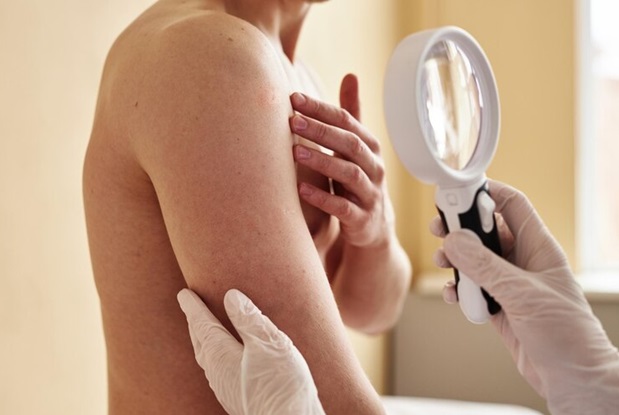
In addition to self-examinations, scheduling annual skin screenings with a dermatologist is recommended, especially for individuals with a history of skin cancer or multiple risk factors. Dermatologists are trained to identify suspicious lesions early on and can perform biopsies or other diagnostic tests if necessary.
Healthy Lifestyle Habits
Balanced Diet
Consuming a balanced diet rich in fruits, vegetables, whole grains, and lean proteins provides essential nutrients and antioxidants that promote skin health. Vitamins such as vitamin C, vitamin E, and beta-carotene play a vital role in protecting the skin from damage caused by UV radiation and oxidative stress.
Avoiding Tobacco
Tobacco use not only increases the risk of various cancers, including skin cancer, but also accelerates skin aging and impairs wound healing. Avoiding tobacco products and exposure to secondhand smoke is crucial for maintaining healthy skin and reducing the risk of skin cancer.
Limiting Alcohol Consumption
Excessive alcohol consumption can weaken the immune system and impair the body’s ability to repair DNA damage caused by UV radiation. Limit alcohol intake to moderate levels, defined as up to one drink per day for women and up to two drinks per day for men, to minimize the risk of skin cancer and other health-related issues.
Importance of Early Detection
Recognizing Warning Signs
Educating oneself about the warning signs of skin cancer is essential for early detection and timely intervention. Common warning signs include changes in the size, shape, color, or texture of existing moles or lesions, the development of new growths or sores that do not heal, and persistent itching, tenderness, or bleeding.
Prompt Medical Attention
If you notice any concerning symptoms or changes in your skin, such as those mentioned above, it is crucial to seek prompt medical attention from a healthcare professional. Dermatologists can perform a thorough examination, conduct diagnostic tests if needed, and recommend appropriate treatment options based on the findings.
Conclusion
Preventing skin cancer and skin lesions requires a multifaceted approach that combines sun protection, regular skin checks, healthy lifestyle habits, and early detection. By incorporating these tips into your daily routine and prioritizing your skin’s health, you can significantly reduce the risk of developing skin cancer and enjoy radiant, healthy skin for years to come.
From diligently applying sunscreen and wearing protective clothing to staying vigilant about changes in your skin and seeking medical advice when necessary, proactive measures play a crucial role in maintaining skin health and minimizing the impact of harmful UV radiation. Coupled with a balanced diet, hydration, and regular exercise, these habits contribute to overall well-being while promoting long-term skin health and vitality.