What to Wear to the Gym – As a fitness enthusiast, I have come to understand the importance of wearing the right attire to the gym. Not only does it enhance my performance, but it also keeps me comfortable throughout my workouts. In this ultimate guide, I will share with you valuable insights on what to wear to the gym for maximum performance and comfort. From the factors to consider when choosing gym clothes to the best fabrics for gym clothing, and even how to dress for specific types of workouts, this guide has got you covered.
The Ultimate Guide: What to Wear to the Gym for Maximum Performance and Comfort
What to Wear to the Gym – The Importance of Proper Workout Attire
When it comes to working out, the right attire can make a world of difference. Proper workout attire is not just about looking good; it is about optimizing your performance and ensuring your safety. Ill-fitting clothes can restrict your range of motion and hinder your ability to perform exercises correctly. On the other hand, the right gym clothes can provide the necessary support and flexibility needed for various movements.
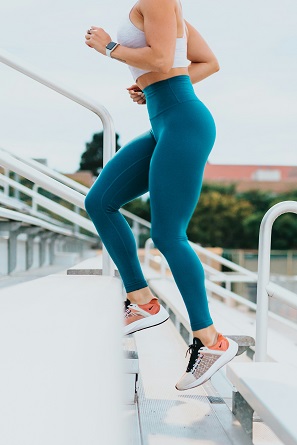
Additionally, wearing appropriate workout attire can help regulate your body temperature. Sweating is a natural part of exercising, and wearing moisture-wicking fabrics can help keep you cool and dry. It also prevents the buildup of bacteria and reduces the risk of skin irritations. Moreover, proper gym attire can boost your confidence and motivation levels, making you more likely to stick to your fitness routine.
Factors to Consider When Choosing Gym Clothes
Before you rush to the store to buy new gym clothing, there are a few factors you should consider. First and foremost, consider the type of exercise you will be doing. Different activities require different types of clothing. For example, if you are planning to do high-intensity cardio workouts, you will need lightweight and breathable fabrics such as a workout shirt that allow for maximum airflow. On the other hand, weightlifting requires clothes that provide support and stability to your muscles.
Another important factor to consider is the fit of your gym clothes. They should neither be too tight nor too loose. Tight clothes can restrict your movements, while loose clothes can get in the way and even cause accidents. Look for clothes that are snug but allow for a full range of motion. Additionally, consider the length of your clothes. For example, if you are doing exercises that involve bending or stretching, opt for longer pants or shorts to avoid any wardrobe malfunctions.
What to Wear to the Gym – The Best Fabrics for Gym Clothing
Choosing the right fabric for your gym clothing can significantly impact your performance and comfort level. Here are some of the best fabrics to look for:
- Moisture-wicking fabric: This type of fabric is designed to pull moisture away from your skin, keeping you dry and comfortable. Look for materials such as polyester, nylon, or spandex blends that have moisture-wicking properties.
- Breathable fabrics: Fabrics that allow for maximum airflow are crucial, especially during intense workouts. Look for materials like mesh or lightweight cotton that promote ventilation and prevent overheating.
- Compression fabrics: Compression clothing can improve blood flow, reduce muscle fatigue, and enhance performance. Fabrics such as Lycra or elastane provide a snug fit and support to your muscles.
- Odor-resistant fabrics: Sweating is inevitable during workouts, and odor can be a concern. Look for fabrics that have antimicrobial properties or are treated with odor-reducing technologies to keep you smelling fresh.

What to Wear to the Gym – Choosing the Right Footwear for Your Workouts
Next to your gym clothes, your choice of footwear is crucial for optimal performance and safety. The right shoes can provide excellent cushioning, stability, and support for your feet and ankles. Here are some tips for choosing the right footwear for your workouts:
- Consider the type of exercise: Different exercises require different types of shoes. Running shoes, for example, are designed with extra cushioning and shock absorption to reduce the impact on your joints. Weightlifting shoes, on the other hand, have a flat sole and provide stability and a solid base for heavy lifts.
- Get the right fit: Ill-fitting shoes can cause discomfort, blisters, or even injuries. Ensure that your shoes fit properly, with enough room for your toes to move and adequate support for your arches.
- Test for stability: When trying on shoes, test for stability by walking or doing some light movements. Your shoes should provide a secure and stable feeling, without any excessive sliding or wobbling.
- Replace worn-out shoes: Over time, the cushioning and support of your shoes will deteriorate. It is important to replace them regularly to prevent injuries and maintain optimal performance.
Remember, investing in a good pair of workout shoes is an investment in your safety and performance at the gym.
What to Wear to the Gym – Essential Gym Clothing for Different Types of Exercises
Now that you have a good understanding of the factors to consider and the best fabrics for gym clothing, let’s delve into the essential gym clothing for different types of exercises:
- Cardio workouts: For cardio exercises such as running or cycling, opt for lightweight, breathable fabrics that allow for maximum airflow. Choose moisture-wicking tops and bottoms to keep you cool and dry. Don’t forget to wear a supportive sports bra for added comfort.
- Weightlifting: When it comes to weightlifting, focus on clothes that provide support and flexibility. Look for moisture-wicking tops that allow for a full range of motion. Choose bottoms that are not too tight, as they may restrict your movements. Additionally, wear shoes with a flat sole and good grip to enhance stability during heavy lifts.
- Yoga or Pilates: For yoga or Pilates, prioritize comfort and flexibility. Wear stretchy and lightweight fabrics that allow for easy movement. Opt for tops with built-in bras or wear a supportive sports bra for added comfort. Choose fitted bottoms that allow for a full range of motion without sliding or bunching up.
- High-intensity interval training (HIIT): HIIT workouts require clothes that can handle intense movements and excessive sweating. Choose moisture-wicking tops and bottoms that provide breathability and quick-drying properties. Compression clothing can also be beneficial for added support and muscle recovery.
What to Wear to the Gym- Tips for Staying Comfortable During Your Workout
Aside from wearing the right gym clothes, there are a few additional tips to help you stay comfortable during your workout:
- Layer your clothing: Depending on the temperature of your gym or the intensity of your workout, layering your clothing can be a great way to adjust your body temperature. Start with a moisture-wicking base layer, add a lightweight top, and have a hoodie or jacket for colder environments.
- Bring a towel: A small towel is essential for wiping away sweat and keeping yourself dry during your workout. It can also be used to place on equipment to maintain cleanliness.
- Stay hydrated: Proper hydration is key to maintaining comfort and performance during your workout. Drink water before, during, and after your exercise to replenish fluids lost through sweating.
- Use proper hygiene: Wearing clean and fresh gym clothes is not enough; you must also practice proper hygiene. Shower immediately after your workout to prevent bacterial growth and use antiperspirant to control sweat and odor.
What to Wear to the Gym – How to Dress for Specific Types of Workouts (Cardio, Weightlifting, etc.)
Each type of workout has its specific clothing requirements to maximize performance and comfort. Let’s take a closer look at how to dress for specific types of workouts:
- Cardio: For cardio workouts, choose moisture-wicking tops and bottoms that allow for easy movement. Opt for lightweight fabrics that keep you cool and dry. Wear proper running shoes with good cushioning and support.
- Weightlifting: When weightlifting, focus on clothes that provide support and flexibility. Opt for moisture-wicking tops that allow for a full range of motion. Choose bottoms that are not too tight, as they may restrict your movements. Wear shoes with a flat sole and good grip for stability.
- Yoga or Pilates: Comfort and flexibility are key for yoga or Pilates. Wear stretchy and lightweight fabrics that allow for easy movement. Opt for tops with built-in bras or wear a supportive sports bra. Choose fitted bottoms that allow for a full range of motion.
- HIIT: HIIT workouts require clothes that can handle intense movements and excessive sweating. Choose moisture-wicking tops and bottoms that provide breathability and quick-drying properties. Compression clothing can also be beneficial for added support and muscle recovery.
What to Wear to the Gym – The Role of Compression Clothing in Enhancing Performance
Compression clothing has gained popularity in the fitness world due to its potential benefits in enhancing performance and aiding in muscle recovery. Compression garments are designed to apply pressure to specific areas of the body, promoting blood flow and reducing muscle vibrations. Here are some potential benefits of wearing compression clothing:
- Improved circulation: Compression clothing can improve blood flow, allowing more oxygen and nutrients to reach your muscles. This can enhance performance and reduce muscle fatigue.
- Reduced muscle soreness: The pressure applied by compression garments can decrease muscle vibrations, which may help reduce muscle soreness and fatigue during and after workouts.
- Increased proprioception: Compression clothing can enhance body awareness and proprioception, which refers to the sense of the position and movement of your body. This can improve coordination and performance during exercises.
- Enhanced muscle recovery: Compression clothing can aid in muscle recovery by reducing swelling and inflammation. It can also help flush out metabolic waste products, promoting faster recovery after intense workouts.
While compression clothing may offer potential benefits, it is essential to choose the right size and fit. Too tight compression wear can restrict movement and cause discomfort, while loose compression wear may not provide the desired effects.
How to Care for and Maintain Your Gym Attire
Proper care and maintenance of your gym attire are crucial to prolong its lifespan and ensure optimal performance. Here are some tips for caring for your gym clothes:
- Follow washing instructions: Always check the washing instructions on your gym clothes’ labels and follow them accordingly. Some fabrics require special care, such as washing in cold water or avoiding the use of fabric softeners.
- Separate colours: To prevent colour bleeding, wash your gym clothes separately from other garments. This will help preserve their vibrant colours and prevent any potential damage.
- Air dry whenever possible: High heat can damage the elasticity and shape of your gym clothes. Whenever possible, air dry them instead of using a dryer. Hang them in a well-ventilated area or lay them flat on a clean surface.
- Rotate your gym clothes: Regularly rotating your gym clothes will prevent excessive wear and tear. Having multiple sets of gym attire will also reduce the frequency of washing, prolonging their lifespan.
In conclusion, choosing the right attire for the gym such as womens workout hoodie and other accessories is essential for maximizing your performance and comfort. By considering factors such as the type of exercise, fabric choice, and proper footwear, you can set yourself up for success. Remember to prioritize comfort, flexibility, and breathability when selecting your gym clothes. Additionally, take care of your gym attire by following proper washing instructions and maintaining good hygiene. By dressing for success at the gym, you can elevate your workouts and achieve your fitness goals with confidence.
Now that you have all the knowledge you need, it’s time to put it into action. So go ahead, update your workout wardrobe, and start reaping the benefits of proper gym attire. Remember, your clothing should support your goals and enhance your performance. Stay motivated, stay comfortable, and enjoy every moment of your fitness journey.