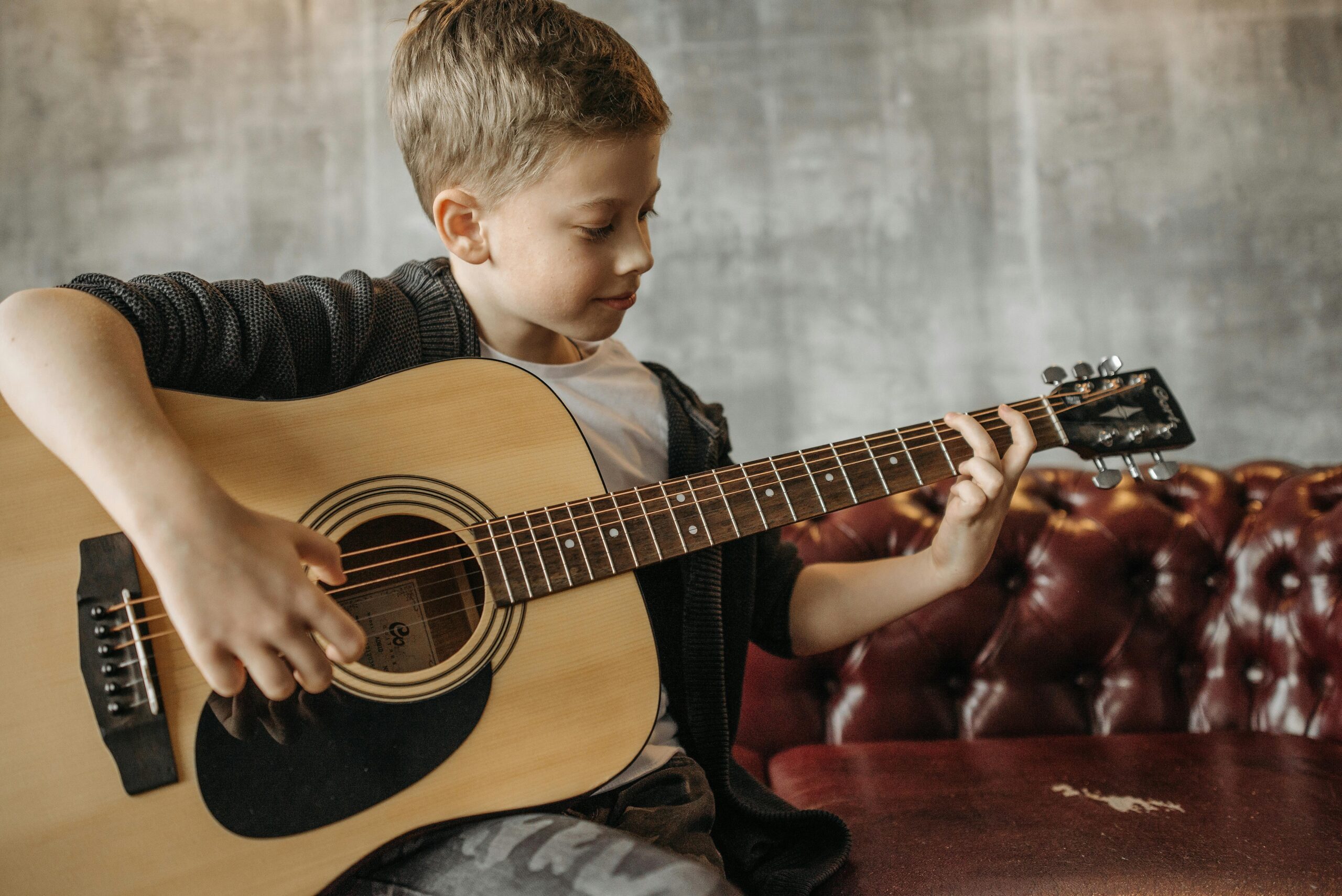
The arts play a crucial role in childhood development, with music and drama offering unique and valuable skills that go beyond the classroom. Whether your child is already drawn to the stage or still discovering their creative interests, music and drama lessons provide a wide range of benefits that enhance both personal and academic growth. Let’s explore the key advantages of introducing music and drama lessons into your child’s life, inspired by the teachings of this private school in Kent.
1. Enhancing Creativity and Imagination
Music and drama offer an excellent platform for children to express themselves creatively. Through playing an instrument, singing, or acting, children learn to think outside the box and approach challenges with innovation. This fosters a sense of imagination and wonder, which can benefit other areas of life, from problem-solving to writing.
In drama lessons, children often engage in improvisation and role-play, allowing them to step into different characters and situations. This helps them explore diverse perspectives, build empathy, and unleash their creativity. Meanwhile, music lessons encourage artistic expression through sound, teaching children to experiment with melodies, rhythms, and harmonies.
2. Building Confidence and Self-Esteem
Stepping onto the stage or performing in front of others can feel intimidating at first, but with practice, it becomes a powerful way to build self-confidence. Whether it’s through acting in a play or performing a musical piece, children gain a sense of accomplishment when they master new skills and share them with an audience.
In drama lessons, children learn to project their voices, use their body language effectively, and overcome stage fright. Similarly, music lessons help children develop stage presence, whether they’re performing a solo or playing in an ensemble. These experiences foster resilience and self-assurance that can carry into other aspects of life.
3. Developing Communication and Social Skills
Drama and music are inherently social activities that require teamwork and collaboration. In drama lessons, children work together to rehearse and perform plays, developing listening skills, empathy, and effective communication. They learn how to express themselves clearly and how to respond to others, which builds strong interpersonal skills.
Music lessons, particularly in group settings like choirs or bands, encourage cooperation as children learn to harmonise and sync their playing with others. This teaches them the value of teamwork, patience, and the importance of each individual’s role in a collective effort.
4. Improving Academic Performance
Studies have shown that students who participate in music and drama tend to perform better academically. Learning to play an instrument helps develop discipline, patience, and focus—skills that transfer to other subjects. Music also stimulates brain areas associated with memory, language, and mathematical abilities.
Drama, on the other hand, encourages literacy development. Memorising scripts, understanding character motivations, and analysing stories helps with reading comprehension and critical thinking. These cognitive benefits can lead to improved performance across a range of subjects.
5. Supporting Emotional and Mental Well-being
Music and drama provide a healthy outlet for children to express and process their emotions. Engaging in the arts helps reduce stress, boosts mood, and enhances overall mental well-being.
Whether they’re dealing with anxiety, frustration, or excitement, children can channel their emotions into their performances, offering a sense of relief and satisfaction.
Drama encourages children to explore different emotional experiences, helping them develop emotional intelligence. Music, too, has a profound effect on emotions, allowing children to connect with themselves and others on a deeper level.
The benefits of music and drama lessons extend far beyond the stage. By fostering creativity, building confidence, improving academic performance, and supporting emotional well-being, the arts play a vital role in developing well-rounded, confident, and empathetic individuals. Encouraging your child to engage in music or drama lessons can open the door to lifelong skills and passions that will serve them in every aspect of life.