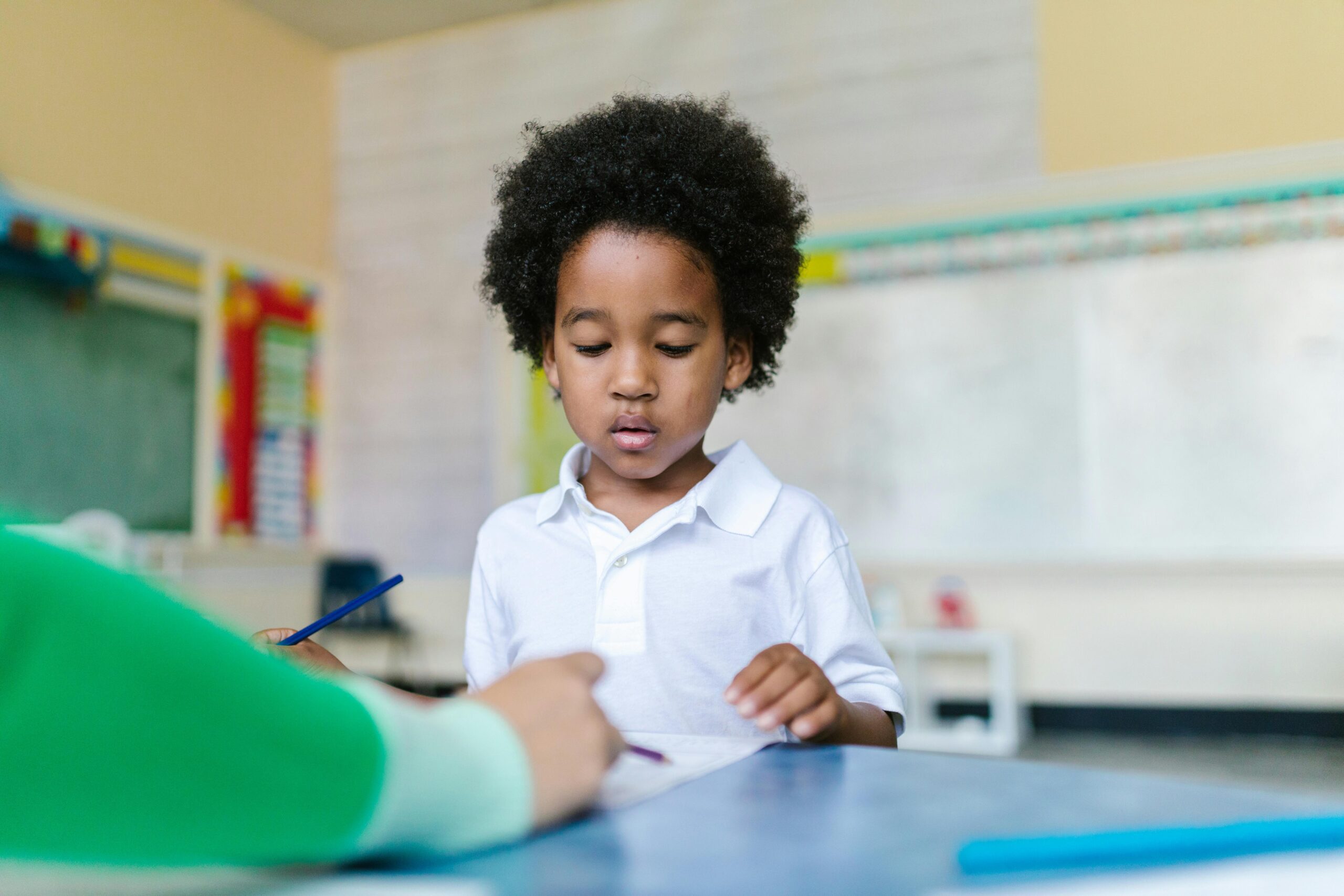
Early childhood education refers to the period of learning that takes place from birth to around eight years old. During these critical years, the foundation for cognitive, social, emotional, and physical development is laid. Research has shown that the experiences children have during this time can significantly impact their future success, both in school and in life. As such, early childhood education is not just a stepping stone to formal schooling; it is a fundamental stage of development that shapes a child’s entire future.
Cognitive Development
This prep school in London suggests that one of the most significant benefits of early childhood education is its impact on cognitive development. During the early years, a child’s
brain is incredibly malleable, and this is when the most rapid brain development occurs. High-quality early childhood education programs provide children with a stimulating environment where they can explore, ask questions, and engage in activities that promote problem-solving and critical thinking. Research suggests that children who attend quality early learning programs develop stronger language skills, perform better in mathematics, and generally fare better academically in the long term compared to those who do not have access to early education.
Social and Emotional Development
Early childhood education also plays a crucial role in social and emotional development. Children learn how to interact with their peers, develop empathy, and begin to understand the importance of cooperation and communication. In a preschool or early learning environment, children are given opportunities to practice social skills through play and structured activities. These interactions teach them how to share, take turns, and resolve conflicts—skills that are essential throughout life. Moreover, the presence of caring teachers and supportive relationships fosters emotional security, allowing children to explore the world around them with confidence.
Long-term Academic Success
The benefits of early childhood education extend well beyond the early years. Studies have consistently shown that children who attend quality ECE programs are more likely to succeed in school. They are less likely to need special education services, are more likely to graduate high school, and are more likely to pursue higher education. The early development of language and cognitive skills provides a strong foundation for future learning, giving children the tools they need to succeed in an increasingly competitive and complex world.
Economic and Societal Impact
The importance of early childhood education extends beyond individual success—it has a far-reaching economic and societal impact. Investing in high-quality early childhood education programs has been shown to yield significant returns for society as a whole. Children who receive a solid early education are more likely to become productive members of society, contributing to economic growth and stability. Additionally, ECE reduces societal costs by lowering the likelihood of future crime, unemployment, and reliance on social services. Economists have identified early childhood education as one of the most cost-effective strategies for addressing long-term social and economic issues.
Reducing Inequality
Early childhood education is also a powerful tool for reducing inequality. Children from low-income families often face barriers to accessing quality education, which can perpetuate cycles of poverty. However, high-quality early childhood education can help close the achievement gap by providing all children—regardless of their background—with the skills and opportunities they need to succeed. By ensuring that every child has access to quality early education, societies can work towards creating more equitable and just communities.
The importance of early childhood education cannot be overstated. It is a critical period that lays the groundwork for future cognitive, social, emotional, and academic development. The benefits of investing in early childhood education are immense—not only for individual children but for society as a whole. By prioritising and supporting high-quality early education programs, we can help ensure a brighter future for all children, fostering a generation of lifelong learners who are prepared to meet the challenges of tomorrow.