TV aerials play a vital role in ensuring a high-quality viewing experience for television audiences. From providing access to a wide range of channels to ensuring a clear and uninterrupted signal, TV aerials are integral to modern television viewing. In this article, we will explore the significance of TV aerials in enhancing the viewing experience for audiences across the UK.
Importance of TV Aerials
TV aerials, also known as TV antennas, are crucial components for receiving over-the-air broadcast television signals. In the UK, where digital terrestrial television (DTT) is widely used, TV aerials serve as the primary method for receiving Freeview channels. With the transition from analogue to digital TV broadcast, the role of TV aerials has become even more pronounced, as they enable access to a greater number of channels and ensure high-definition picture quality.

Types of TV Aerials
There are various types of TV aerials designed to cater to different geographical locations and signal strengths. From standard rooftop TV aerials to amplified indoor antennas, each type serves a specific purpose. For instance, residents in areas with strong signal reception may opt for a simple rooftop TV aerial, while those in areas with weaker signals might benefit from a high-gain or amplified TV aerial.
Installation and Maintenance
Proper installation of TV aerials is essential for optimal signal reception. In the UK, professional aerial installation services are readily available to ensure that the aerial is positioned correctly and aligned with the nearest transmitter. Additionally, regular maintenance and occasional realignment may be necessary, especially after extreme weather conditions, to ensure continued signal clarity and strength.
Signal Quality and Clarity
TV aerials directly impact the quality and clarity of the TV signal received. A well-positioned and appropriately chosen aerial can significantly reduce signal interference and pixelation, providing audiences with a smooth and immersive viewing experience. This becomes particularly important when watching high-definition channels or during live sports events, where clear picture quality is paramount.

Access to Channels
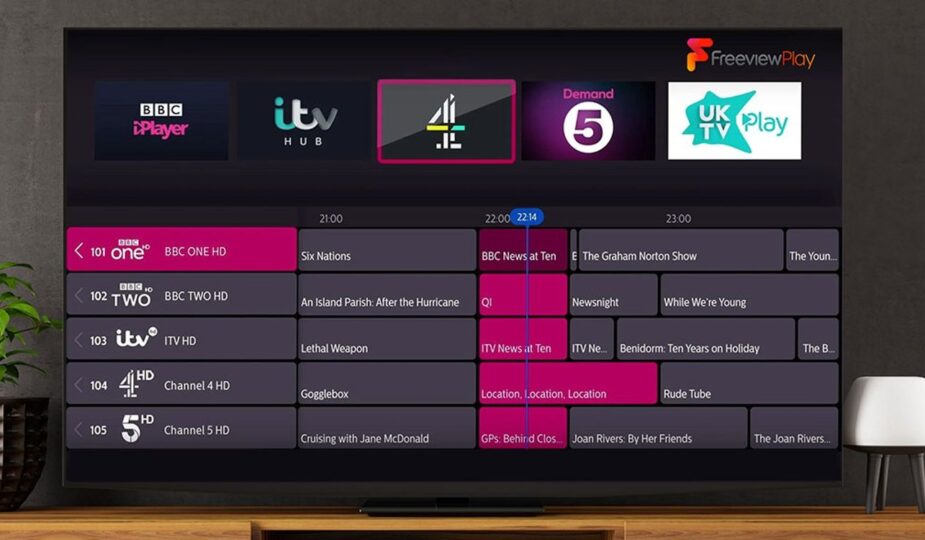
In the UK, a multitude of Freeview channels are accessible through TV aerials, offering a wide array of entertainment, news, and educational programming. These channels are free to access once the initial setup with a digital TV and TV aerial is complete, aligning with the British audience’s preference for diverse and cost-effective viewing options.
Future-Proofing with 5G and Beyond
With the ongoing technological advancements and the impending rollout of 5G networks, TV aerials are set to become even more critical in the seamless delivery of TV content. As 5G networks may facilitate the convergence of traditional broadcast TV and online streaming services, TV aerials will play a pivotal role in ensuring a smooth transition and reliable reception of enhanced television services.
Environmental Factors and Reception Challenges
Environmental factors, such as nearby obstructions, geographical location, and atmospheric conditions, can impact TV signal reception. Knowing how these factors can affect the performance of TV aerials empowers audiences to make informed decisions when choosing the type of aerial and its placement to mitigate potential reception challenges.
The bottom line
The bottom line is that TV aerials are indispensable for maximising the viewing experience of television audiences across the UK. By ensuring access to diverse channels, enhancing signal quality, and future-proofing for upcoming technological developments, TV aerials continue to be key players in the evolving landscape of television broadcasting. Whether it’s enjoying classic British sitcoms or tuning in to live sports events, a well-installed TV aerial is essential for an uninterrupted and immersive viewing experience.
In conclusion, the role of TV aerials in enhancing the viewing experience cannot be overstated. As technology continues to progress, the significance of TV aerials in delivering high-quality television content remains paramount. With the right installation, maintenance, and understanding of signal reception dynamics, audiences can truly elevate their viewing experience and stay connected to a diverse array of television programming.